Adralida (Hymenonema graecum) is a wild edible plant native to the Cyclades islands in Greece and traditionally used in local island cuisines. Recently, it became the focus of a co-creation initiative in Milos, Greece, highlighting how local food resources can be explored through collaboration, research, and practice.
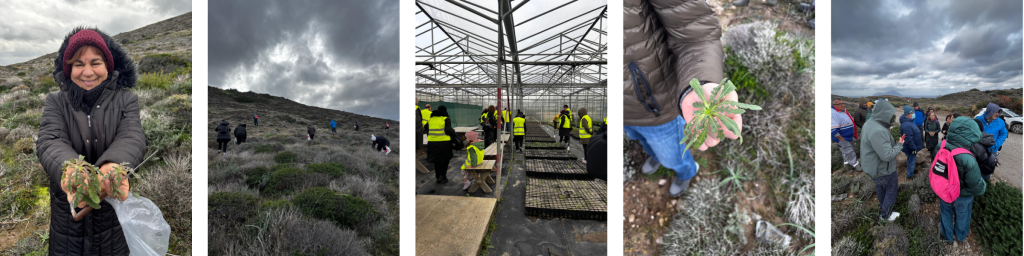
The activity was organised by the Agricultural University of Athens, Imerys, and the Region of South Aegean (Greece), and brought together researchers, chefs, and local stakeholders. Participants engaged in field activities for plant identification and collection, followed by hands-on culinary sessions exploring both traditional and contemporary uses of adralida.
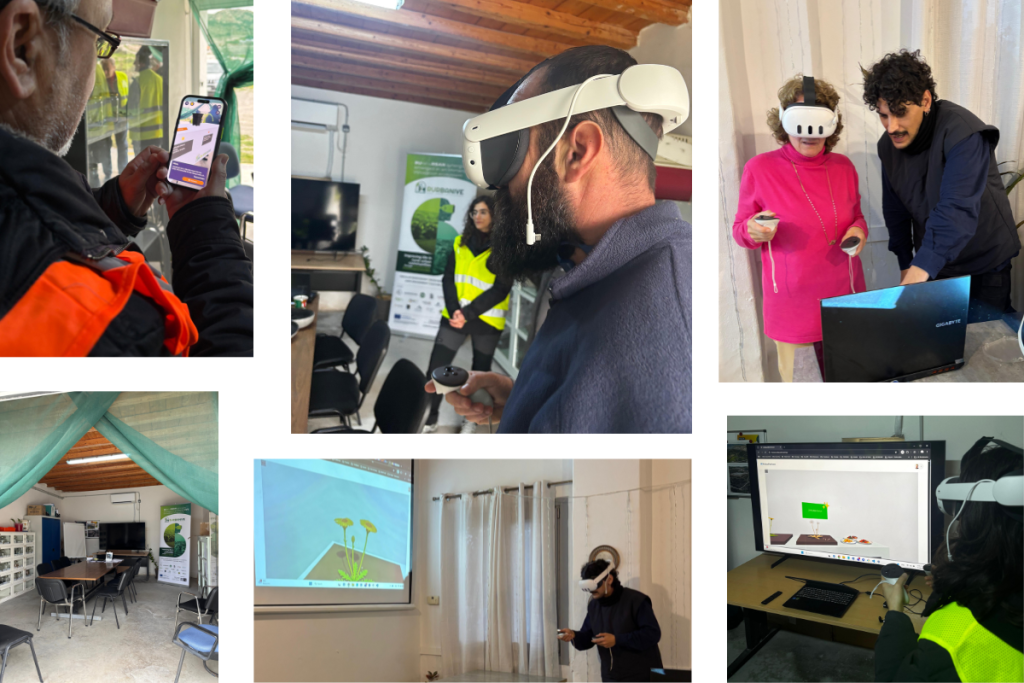
A key element of the initiative was the presentation of ongoing scientific research on adralida, including its characteristics and experimental cultivation supported by Augmented and Virtual Reality (AR–VR) tools. The research was presented by Alexandros Touramanis from the Institute of Communication and Computer Systems (ICCS), the coordinating partner of the RURBANIVE project.
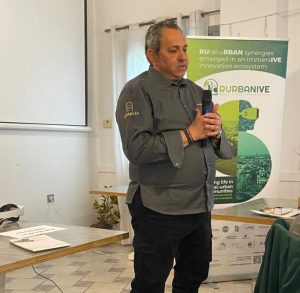
The activities were carried out within the framework of RURBANIVE, which supports rural–urban connections across Europe through co-creation, innovation, and knowledge exchange.
Overall, the experience illustrates how co-creation processes can connect local knowledge with scientific research, contributing to sustainable food practices and stronger rural–urban linkages, key objectives of the RURBANIVE project.
👉 Read the full article (in Greek) on Gastronomos: https://shorturl.at/MZEBt